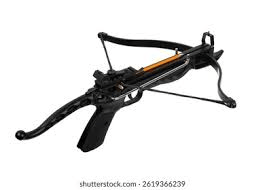

How to Maintain and Load a Pistol Crossbow Safely
Pistol crossbow safety is essential, even with compact models, to ensure proper care and safe handling. Whether you’re a beginner or an experienced shooter, understanding how to maintain and load your pistol crossbow safely is crucial for both performance and injury prevention. Here’s a simple guide to help you get started.
1. Regular Maintenance for Peak Performance
Just like any other crossbow, a pistol crossbow performs best when well-maintained. Start by inspecting the string for fraying or wear. Because pistol crossbows use smaller, tighter strings, they can wear down faster—so regular checks are crucial. Apply bowstring wax routinely to keep the string strong and flexible.
Next, examine the limbs and body for cracks or loose screws. Vibrations from repeated shooting can loosen bolts over time, so tightening them ensures safe, consistent operation and contributes to overall pistol crossbow safety. Keep the rail clean and lightly lubricated to reduce friction and improve bolt speed.
2. Safe Loading Starts With Proper Handling
Before loading, always make sure the crossbow is pointed in a safe direction. Place your foot or hand securely in the stirrup (if equipped) and pull the string back evenly until it locks into place. Uneven cocking can affect accuracy and even cause damage.
When inserting the bolt, make sure it is seated correctly in the groove and placed firmly against the string. Many beginners mistakenly place the bolt loosely, which can cause misfires or jamming.
3. Keep Fingers Clear of the String Path
One of the most important safety tips is to keep your fingers and thumbs below the rail at all times. The string snaps forward with high force, and even a slight placement above the rail can result in serious injury.
4. Store Your Pistol Crossbow Properly
After each use, uncock your pistol crossbow (never store it cocked), wipe it down, and store it in a dry, safe place. This prevents unnecessary strain on the limbs and prolongs the life of the string.