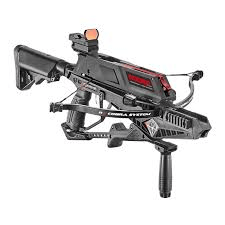

Bowfishing Safety Tips for First-Time Users
Bowfishing is an exciting way to combine archery skills with fishing, but it comes with unique risks. Whether you’re new to the sport or transitioning from traditional archery, following essential bowfishing safety tips is critical to ensure a fun and accident-free experience.
1. Choose the Right Equipment
Selecting the correct bowfishing gear is the first step toward safety. Use a bow specifically designed for bowfishing, along with arrows and reels compatible with your setup. Ensure your line, reel, and arrows are in good condition before heading out. Using inappropriate or damaged equipment increases the risk of accidents.
2. Wear Safety Gear
Protective gear is essential, especially for beginners. Safety glasses shield your eyes from splashing water, flying hooks, and arrows. A life jacket is crucial when bowfishing from a boat, kayak, or dock. Proper footwear helps prevent slips on wet surfaces.
3. Be Mindful of Your Surroundings
Always be aware of where others are when shooting. Maintain a clear shooting lane and never aim at anyone, even in a playful setting. Consider water reflections and sun glare, which can make it harder to judge distance and aim accurately.
4. Use Safe Shooting Techniques
Keep your bow properly drawn and aimed at all times. Avoid overextending your draw, as this can strain your bow and cause accidents. Only shoot when you have a clear shot at your target, and make sure the fish is within the effective range of your equipment.
5. Handle Arrows and Hooks Carefully
Bowfishing arrows are equipped with barbed tips, which can cause injury if mishandled. Always handle arrows and hooks with care, both before and after shooting. Store them securely when not in use.
6. Practice Before You Go
First-time users should practice on land before attempting bowfishing in the water. Familiarity with your bow, reel, and shooting technique helps prevent mistakes and enhances safety.
Final Thoughts
By following these bowfishing safety tips, beginners can enjoy the thrill of the sport while minimizing risks. Safe practices, proper equipment, and awareness of your surroundings are the keys to a successful and injury-free experience.