
Archery Terminology Explained: A Glossary for New Shooters
Starting archery can be exciting, but for beginners, the abundance of technical terms can be overwhelming. Understanding basic archery terminology is essential for safe and effective shooting. This glossary will help new shooters feel confident on the range and improve their learning experience.
Bow Types
-
Recurve Bow: A traditional bow with tips that curve away from the archer. Common in target archery and Olympic competitions.
-
Compound Bow: Uses a system of pulleys and cables to reduce holding weight at full draw, offering precision and power.
-
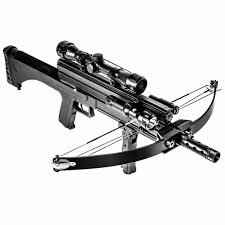
Crossbow: A horizontal bow mounted on a stock, fired like a rifle. Includes single-shot, repeating, and pistol crossbows.
Shooting Terms
-
Draw Length: The distance from the bowstring at rest to full draw. Proper draw length ensures accuracy and comfort.
-
Draw Weight: The amount of force needed to pull the string to full draw. Heavier draw weights deliver more power but require strength.
-
Anchor Point: A consistent spot on the face or jaw where the string is drawn back to before release. Consistency improves accuracy.
Arrows and Accessories
-
Bolts: Shorter arrows used primarily with crossbows.
-
Fletching: The feathers or vanes at the back of an arrow or bolt that stabilize flight.
-
Nock: The notch at the rear of an arrow or bolt that fits onto the string.
-
Sight: A device attached to the bow to help aim more accurately.
Other Key Terms
-
Release: The act of letting the string go to shoot the arrow or bolt.
-
Spine: A measure of arrow stiffness. Choosing the correct spine improves accuracy and safety.
-
Quiver: A container for holding arrows or bolts.
Final Thoughts
Learning archery terminology early makes it easier to follow instructions, communicate with coaches, and choose the right equipment. Whether practicing target shooting or preparing for hunting, knowing these basic terms helps beginners build confidence, improve accuracy, and enjoy the sport safely.